




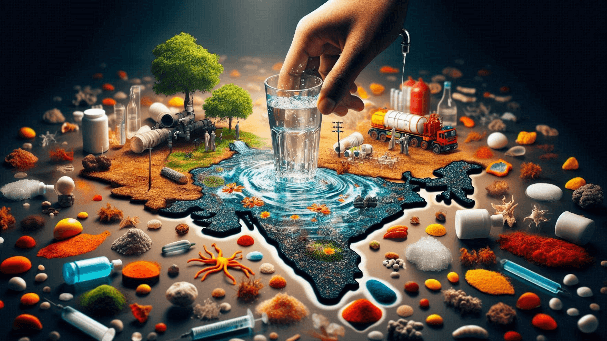
Water Contaminants in India – Do You Know What’s in Your Water?


Water is a fundamental resource necessary for life, but the water we consume can often be contaminated with various substances that pose health risks. In India, a country with diverse geographical and environmental conditions, understanding water contaminants is crucial for ensuring safe drinking water for all. Let’s explore some common water contaminants found in India, their impacts, and how we can mitigate these risks.
1. Arsenic
Nature and Need: Arsenic occurs naturally in the Earth’s crust and can leach into groundwater. In trace amounts, arsenic is essential for metabolic functions in plants and animals.
Harms: However, prolonged exposure to elevated levels of arsenic in drinking water can lead to skin lesions, cancer, cardiovascular diseases, and developmental effects in children.
Overcoming: To mitigate arsenic contamination, communities can use arsenic removal technologies like reverse osmosis (RO) filters or seek alternative water sources.
2. Fluoride
Nature and Need: Fluoride is naturally present in soil, water, and foods. In small amounts, fluoride is beneficial for dental health.
Harms: However, excessive fluoride in water can cause dental and skeletal fluorosis, leading to brittle bones and teeth.
Overcoming: Defluoridation techniques such as activated alumina, bone char, or RO systems can help reduce fluoride levels in water.
3. Heavy Metals (Lead, Mercury, Cadmium)
Nature and Need: Heavy metals can enter water sources through industrial discharge or natural deposits. Trace amounts are needed for biological processes.
Harms: Elevated levels of lead, mercury, or cadmium in drinking water can impair neurological development, damage organs, and cause cancers.
Overcoming: Treatment methods like ion exchange, coagulation-flocculation, or using activated carbon filters can effectively remove heavy metals.
Read More : Effects of Heavy Metals in Water: Limits, Safety & Cleanup
4. Microorganisms (Bacteria, Viruses)
Nature and Need: Bacteria and viruses are common contaminants from sewage or agricultural runoff. Some bacteria are essential for environmental processes.
Harms: Waterborne pathogens can cause diseases like cholera, typhoid, and diarrhea, especially in areas with poor sanitation.
Overcoming: Water disinfection methods such as chlorination, UV irradiation, or boiling can kill harmful microorganisms and make water safe to drink.
5. Pesticides and Chemical Pollutants
Nature and Need: Pesticides and industrial chemicals can enter water bodies through runoff or improper disposal.
Harms: Prolonged exposure to pesticides and chemical pollutants in water can lead to cancer, reproductive disorders, and hormonal imbalances.
Overcoming: Implementing integrated pest management practices, proper waste disposal, and using advanced water treatment technologies can reduce chemical contamination.
6. Nitrates
Nature and Need: Nitrates are naturally occurring compounds found in soil and water. They are essential for plant growth.
Harms: High nitrate levels in drinking water can lead to methemoglobinemia (blue baby syndrome) in infants and pose health risks to pregnant women.
Overcoming: Proper agricultural practices to minimize fertilizer runoff and using nitrate removal technologies like ion exchange can help mitigate nitrate contamination.
Conclusion
Understanding the contaminants in our water and their impacts is crucial for safeguarding public health. In India, where water quality varies significantly across regions, addressing water contamination requires a multi-faceted approach involving improved monitoring, sustainable water management practices, and investment in water treatment technologies. By raising awareness and taking proactive measures, we can ensure access to safe and clean drinking water for all communities in India.
Note: Information provided above is for general knowledge. It is not a set standard for maintenance. Your water purifier’s service needs depend on factors like water quality, usage, placement and more. Trust that our technicians know the best.