




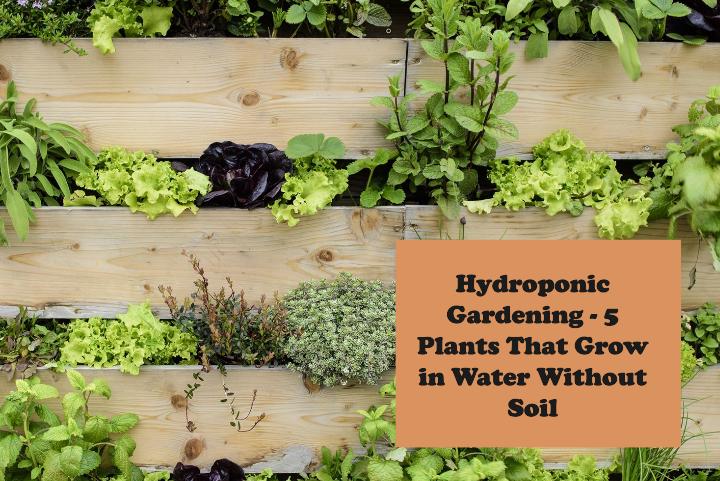
Hydroponic Gardening – 5 Plants That Grow in Water Without Soil


Introduction- Hydroponic gardening, a method of growing plants without soil, has gained popularity in recent years due to its efficiency and versatility. In this blog, we’ll delve into the fascinating world of hydroponic gardening and explore some of the plants that thrive in water without the need for traditional soil.
What is Hydroponic Gardening?
Hydroponic gardening is a method of cultivating plants without soil by using a nutrient-rich water solution to deliver essential nutrients directly to the plant roots. This technique allows plants to grow faster and more efficiently than traditional soil-based gardening, making it an attractive option for both hobbyists and commercial growers.
Plants That Grow in Water Without Soil
Lucky Bamboo
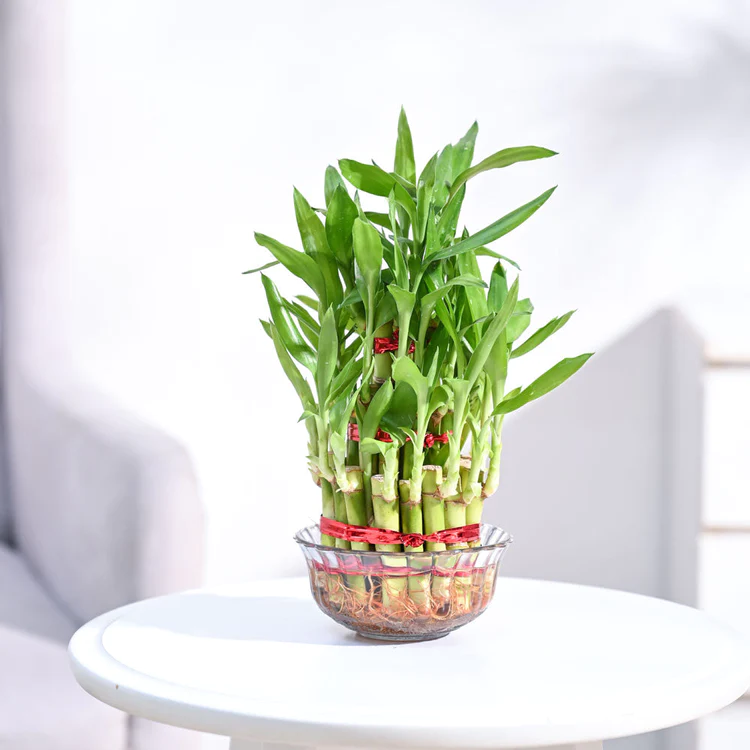
Known for its resilience and striking appearance, lucky bamboo (Dracaena sanderiana) is a popular choice for hydroponic gardening. It requires only water and occasional nutrient supplements to thrive, making it an excellent option for beginners.
Pothos
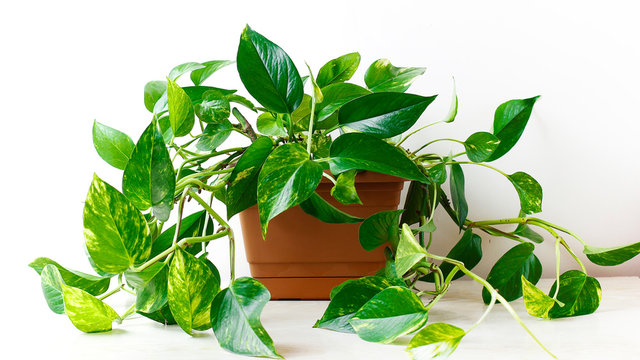
Pothos (Epipremnum aureum) is a versatile and low-maintenance plant that can grow in water or soil. Its lush foliage and air-purifying properties make it a favorite for indoor gardens and office spaces.
Peace Lily
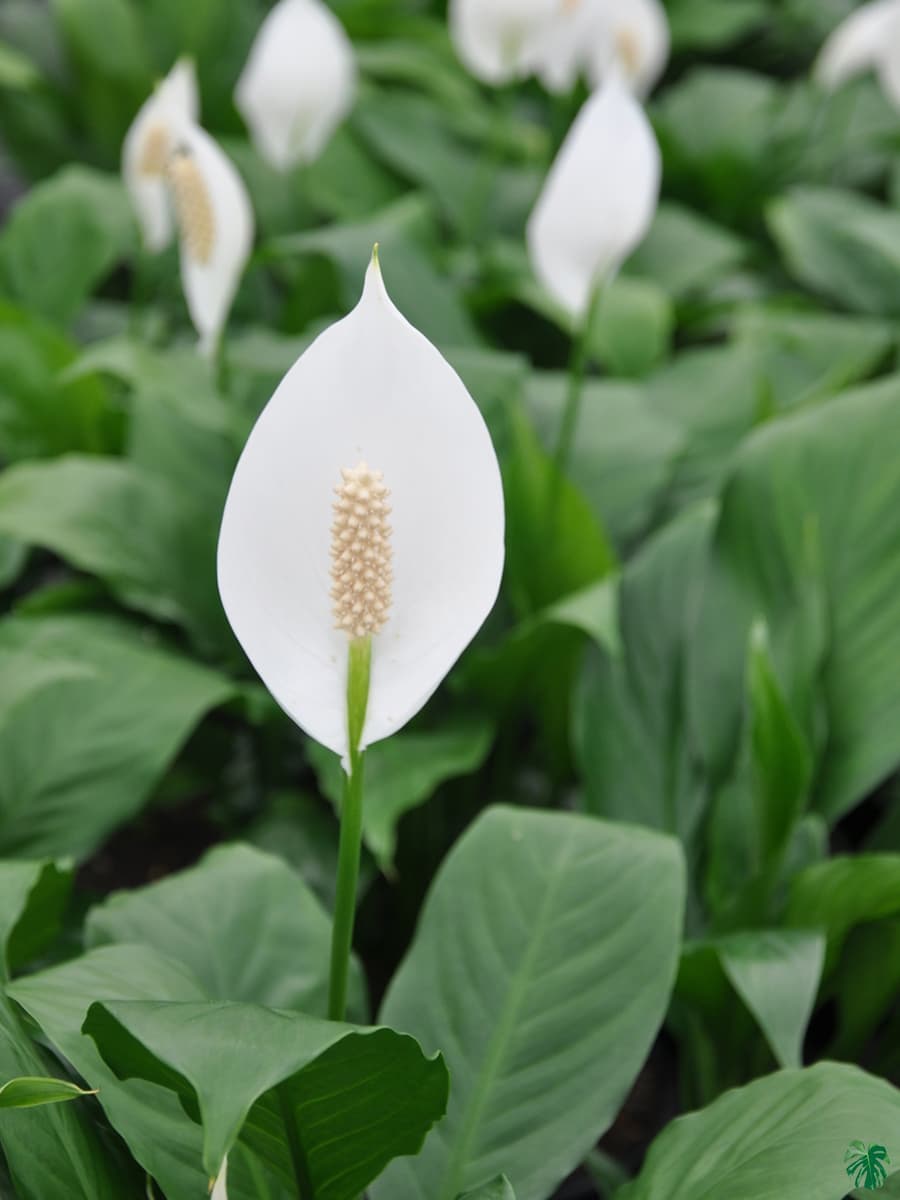
The peace lily (Spathiphyllum spp.) is a beautiful flowering plant that performs well in hydroponic systems. With its elegant white blooms and ability to thrive in low-light conditions, it adds a touch of beauty to any indoor garden.
Spider Plant
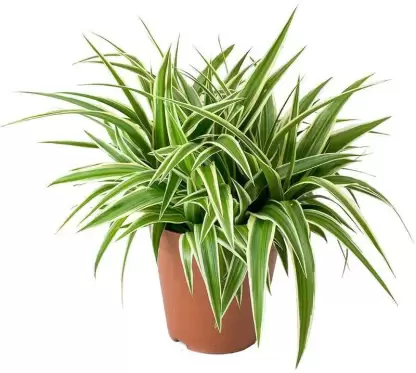
Spider plants (Chlorophytum comosum) are renowned for their air-purifying qualities and ability to thrive in various growing conditions. They are well-suited to hydroponic setups and can produce cascading foliage that adds visual interest to any space.
Water Hyacinth
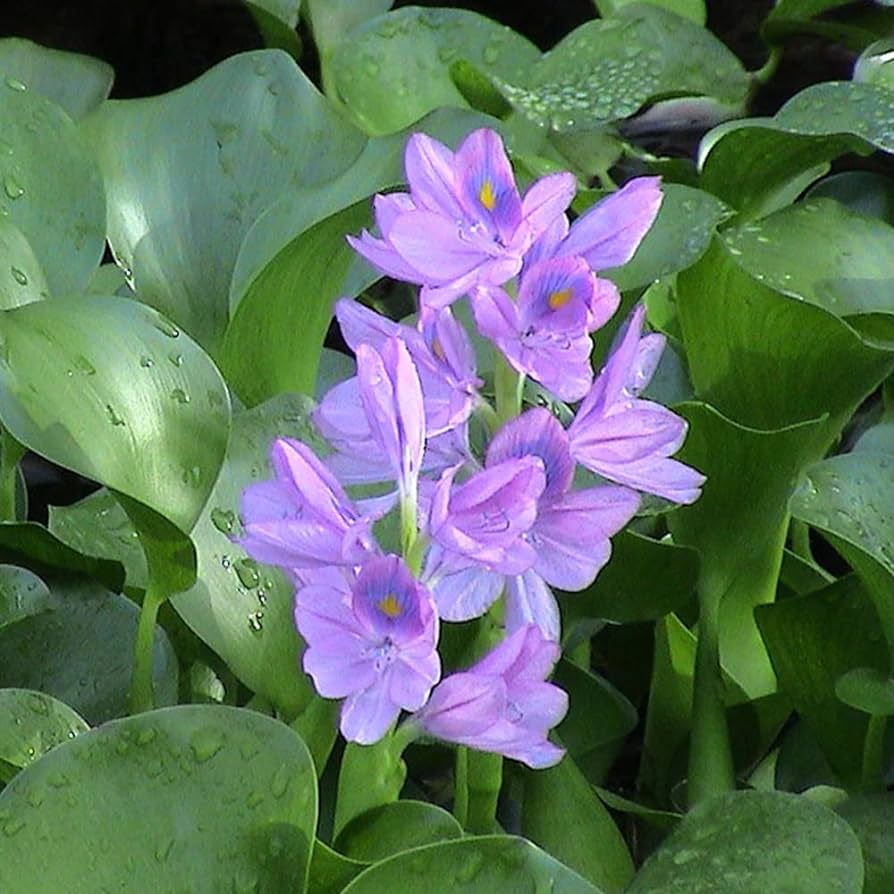
Water hyacinth (Eichhornia crassipes) is a floating aquatic plant that can be grown in ponds or water gardens. Its vibrant purple flowers and glossy green leaves make it a stunning addition to any aquatic landscape.
Benefits of Hydroponic Gardening:
- Faster Growth: Plants grown hydroponically often grow faster than those grown in soil due to the direct delivery of nutrients to the roots.
- Water Efficiency: Hydroponic systems use significantly less water than traditional soil-based gardening, making them ideal for areas with water scarcity.
- Space-Saving: Hydroponic systems can be set up vertically or in compact spaces, allowing for maximum use of available space.
Importance of Clean Water
Clean water is essential for both plants and humans, playing a crucial role in sustaining life and promoting health. For plants, water serves as a carrier of nutrients, enabling essential minerals to be absorbed through their roots and utilized for growth and development. Without clean water, plants may struggle to access vital nutrients, resulting in stunted growth, wilting, and poor overall health.
Furthermore, clean water helps regulate plant temperature through transpiration, the process by which water is drawn up from the roots and released through the leaves. This cooling effect is vital for preventing heat stress and maintaining optimal plant functioning. Additionally, water is essential for photosynthesis, the process by which plants convert light energy into chemical energy, fueling their growth and productivity.
Conclusion
Hydroponic gardening offers an innovative and efficient way to cultivate plants without the need for soil. By exploring the diverse range of plants that can thrive in water-based systems, gardeners can create beautiful and sustainable indoor and outdoor gardens. Whether you’re a seasoned gardener or new to the world of hydroponics, experimenting with different plants and techniques can lead to a rewarding gardening experience.
Also read: Why are we concerned with the Ph of Water?
Note: Information provided above is for general knowledge. It is not a set standard for maintenance. Your water purifier’s service needs depend on factors like water quality, usage, placement and more. Trust that our technicians know the best.